

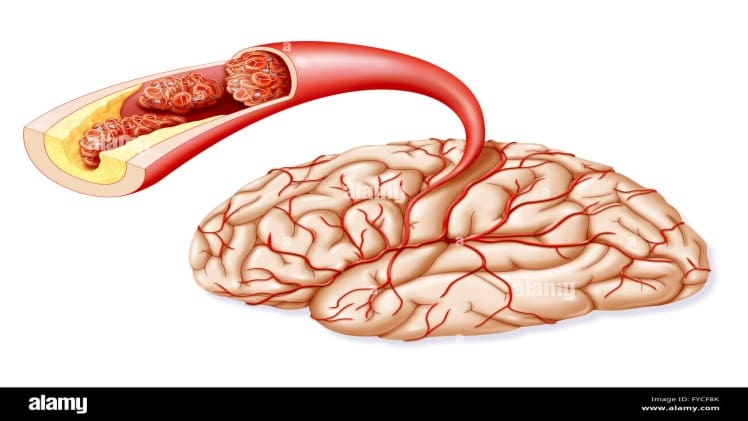
CVA stands for cerebrovascular accident, otherwise known as a stroke. A CVA is a medical emergency caused by a sudden disruption of blood flow to the brain, resulting in loss of oxygen and nutrients to the brain tissue. It is a life-threatening condition that requires immediate medical attention. In this article, we will discuss what CVA is in medical terms, its causes, and its treatment.
Definition of CVA
CVA is an acronym for cerebrovascular accident, which is the medical term for a stroke. A stroke is a medical emergency that is caused by a sudden interruption of blood flow to the brain, resulting in oxygen and nutrient deprivation to the brain tissue. The interruption of blood flow to the brain can be caused by a blocked artery or a burst blood vessel.
CVA in Medical Terms
In medical terms, a CVA is a medical emergency that requires immediate medical attention. The symptoms of a CVA can vary depending on the area of the brain that is affected. Common symptoms of a CVA include sudden numbness or weakness in the face, arm, or leg, especially on one side of the body; confusion; difficulty speaking or understanding; difficulty seeing in one or both eyes; difficulty walking; loss of balance or coordination; and severe headache with no known cause.
There are two main types of CVA: ischemic and hemorrhagic. An ischemic stroke is caused by a blocked artery and accounts for around 87% of all CVAs. A hemorrhagic stroke is caused by a burst blood vessel and accounts for around 13% of all CVAs.
The treatment for a CVA depends on the type of CVA and the area of the brain affected. Treatment may include medications to dissolve blood clots, surgery to remove the clot or repair the burst blood vessel, and rehabilitation to help the patient regain lost functions.
CVA is a serious medical emergency that requires immediate medical attention. It is important to be aware of the symptoms of a CVA and to seek medical help immediately if you experience any of them. It is also important to understand the causes and treatments of a CVA so that you can be prepared in case of an emergency.