

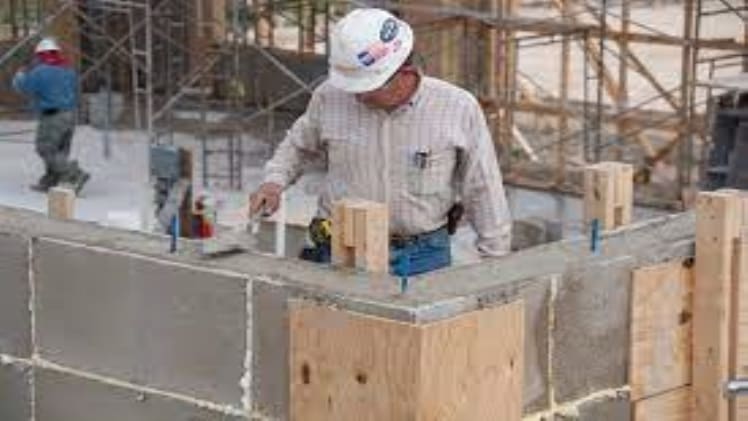
When it comes to soundproofing a room or building, one of the most effective materials to use is concrete. Concrete walls are strong, durable, and can provide an effective sound barrier. In this article, we’ll discuss the benefits of concrete walls and whether or not they are soundproof.
Benefits of Concrete Walls
Concrete walls are an excellent choice for soundproofing due to their strength and durability. They can withstand heavy impacts and vibrations that would otherwise penetrate through other materials, making them ideal for areas that are prone to loud noises. Additionally, concrete walls are fireproof, which is an important consideration for any building. Furthermore, concrete walls are relatively easy to install and maintain, making them a cost-effective soundproofing solution.
Is Concrete Wall Soundproof?
Concrete walls are not completely soundproof, but they are effective at blocking out most sounds. The thickness of the wall and the quality of the concrete used will determine the level of soundproofing. Thicker walls with higher-quality concrete will provide better soundproofing, but they can also be more expensive. Additionally, the type of sound being blocked out will also affect the effectiveness of the soundproofing. For example, low-frequency sounds such as bass notes will be harder to block out than high-frequency sounds.
In conclusion, concrete walls can be an effective soundproofing solution due to their strength and durability. However, the thickness of the wall and the quality of the concrete used will determine the level of soundproofing. Additionally, the type of sound being blocked out will also affect the effectiveness of the soundproofing.