

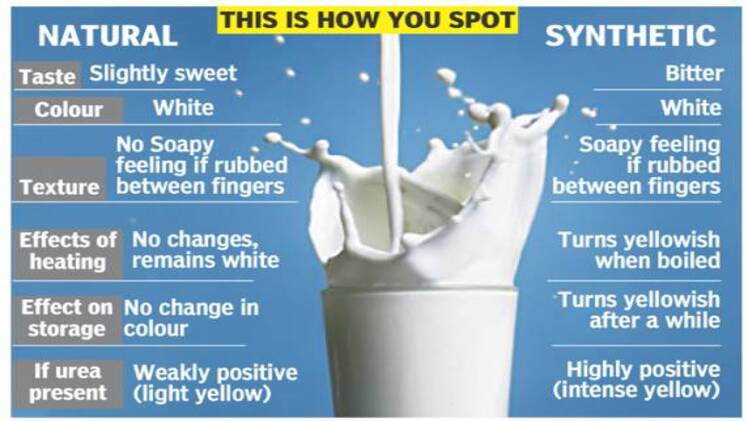
Milk is a nutritious and versatile food that has been an important part of the human diet for centuries. The composition of milk varies depending on the type of animal that it comes from, but all milk contains some combination of fat, protein, and carbohydrates. One of the most important components of milk is its solids-not-fat (SNF) value, which is used to measure the nutritional content of milk. In this article, we will discuss what SNF is, as well as the SNF value of natural unadulterated milk.
What is SNF?
Solids-not-fat (SNF) is a measure of the total amount of solids in milk that are not fat. It is measured as a percentage of the total weight of the milk and is typically expressed as a percentage of the total solids in the milk. SNF is important because it is an indicator of the nutritional content of the milk. The higher the SNF, the higher the nutritional content of the milk.
SNF Value of Natural Unadulterated Milk
The SNF value of natural unadulterated milk can vary depending on the type of milk being analyzed. Generally speaking, cow’s milk has an SNF value of around 8-10%, while goat’s milk has an SNF value of around 9-11%. Sheep’s milk has an SNF value of around 10-12%, while buffalo milk has an SNF value of around 11-13%. The SNF value of milk can also vary depending on the season, with higher SNF values typically seen in the summer months.
It is important to note that the SNF value of milk can be affected by adulteration or processing. Milk that has been heated, homogenized, or pasteurized will typically have a lower SNF value than unadulterated milk. It is also important to note that the SNF value of milk can be affected by the diet of the animal that produced it.
In conclusion, the SNF value of natural unadulterated milk can vary depending on the type of milk and the season in which it was produced. It is important to note that the SNF value of milk can be affected by adulteration or processing, as well as the diet of the animal that produced it. The SNF value of milk is important because it is an indicator of the nutritional content of the milk.
In today’s health conscious world, more and more consumers are turning to unadulterated natural foods. This includes unrefined, nutritious, and naturally occurring foods that narrowly escape any form of tampering or alteration. One of the most ideal choices of these types of healthy diets are natural unadulterated milks.
Natural unadulterated milk has various types available in the market differentiating according to fat amount and purification methods. Such types of milks do not contain any type of additives or preservatives. In regards to fat content and the SNF value, milks that have a SNF value of 8.3-8.6 % are considered to be the healthiest choices. This value is also known as the Solid Not Fat content that is measured in a milky liquid through a process known as the lactometer.
Higher SNF values of over 8.6% means a higher quantity of minerals and micronutrients with lesser fat. These micronutrients are an essential part of any balanced diet and are not present in most processed foods. Besides containing natural protein, magnesium, niacin, zinc and vitamin B12, the SNF value of natural unadulterated milk also helps reduce risks of contracting diabetes and other related heart diseases.
Having a better understanding of the SNF value of natural unadulterated milk can help make better decisions when shopping for natural and unaltered foods. There is no standard range or limit set for the SNF value in natural milks. Consumers should however take references from the labeling of the product to get the details of the SNF percentage. In any case, having an SNF value of 8.3-8.6 % is considered to be the most healthiest option available.