

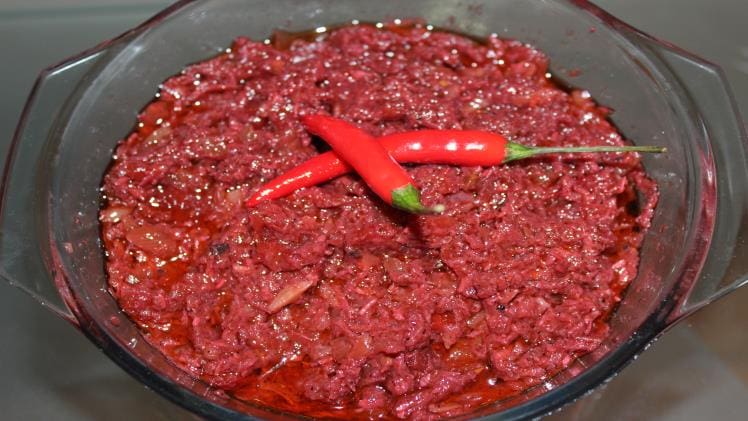
Bagoong, a traditional Filipino condiment made from fermented fish or shrimp, is a staple in Filipino cuisine. It is often used as a flavoring agent to enhance the flavor of dishes, and its unique taste and smell make it a favorite among many Filipinos. But how long can bagoong last? Read on to find out.
Determining Shelf Life
When it comes to determining the shelf life of bagoong, the main factor to consider is how it is stored. Bagoong typically comes in a jar, and it should be stored in a cool, dry place, away from direct sunlight and heat. In addition, the lid should be tightly sealed to prevent air from entering the jar, as this can cause the bagoong to spoil more quickly.
When stored properly, bagoong can last for up to six months. However, it is important to check the expiration date on the jar before using it, as bagoong that has passed its expiration date will no longer be safe to consume.
Understanding Bagoong’s Longevity
Bagoong’s long shelf life is largely due to the fermentation process it goes through. During fermentation, the fish or shrimp is mixed with salt and left to sit for several weeks. This process breaks down the proteins in the fish or shrimp, which in turn inhibits the growth of harmful bacteria. As a result, bagoong is able to last for a longer period of time without spoiling.
In addition, bagoong is naturally high in sodium, which helps to preserve it. The high salt content helps to keep bacteria from growing, and also prevents the bagoong from going bad.
Bagoong is a popular condiment in Filipino cuisine, and its unique flavor and smell make it a favorite among many Filipinos. With proper storage, bagoong can last for up to six months, and its long shelf life is largely due to the fermentation process and its high salt content.