

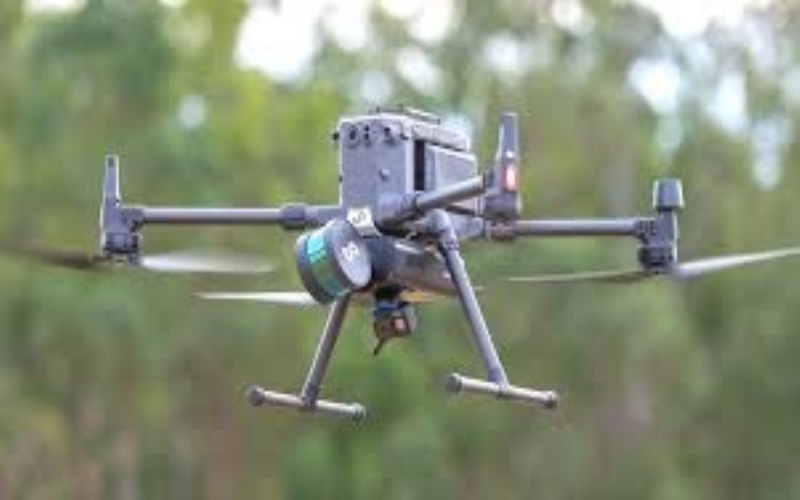
The integration of autonomous drones into utility asset inspections has revolutionized the way utilities manage their infrastructure. This technology offers high precision, safety, and efficiency, transforming traditional methods significantly. The adaptability of Autonomous Drones for Inspection provides utilities with up-to-date information on the condition of their assets. Furthermore, this technology supports sustainable practices by reducing the carbon footprint associated with conventional inspection vehicles and processes. Below are ten ways in which autonomous drones are making a significant effect in the utility industry.
1. Increased Safety
Autonomous drones eliminate the need for human inspectors to physically access hazardous or hard-to-reach areas, such as high-voltage lines, tall towers, and remote substations. By using drones, utilities can decrease the risk of accidents and assure the safety of their workforce. This approach minimizes the disruptions typically caused by manual inspections, leading to fewer service interruptions for customers.
2. Cost Efficiency
Deploying drones for inspection tasks reduces the costs associated with traditional inspection methods, often involving helicopters, heavy machinery, and large crews. Drones can complete the same tasks faster and more economically, saving time and resources. This cost-effectiveness also allows utilities to increase the frequency of inspections without a corresponding increase in budget, enhancing overall asset management.
2. Enhanced Data Quality
Drones fitted with advanced sensors and cameras can capture high-resolution images and videos, providing detailed visual data far superior to what can be obtained through manual inspections. This quality of data is crucial for identifying defects and preventing failures in utility assets. The high-definition imagery allows for precise assessments and detailed records, streamlining the decision-making process and ensuring timely interventions.
4. Rapid Response Times
Autonomous drones can be deployed quickly and can cover large areas in a short amount of time. This capability is especially valuable in emergency situations, such as after a storm or natural disaster, allowing for rapid assessment of damage to expedite repair work. Their swift deployment also helps in minimizing the downtime of services, enabling faster restoration and reducing the overall impact on consumers.
5. Preventive Maintenance
The detailed data collected by drones allows utilities to adopt a proactive approach to maintenance. By analyzing the data, utilities can identify potential issues before they lead to system failures, thus enhancing the reliability of the service and extending the lifespan of the assets. This proactive maintenance strategy prevents costly repairs and optimizes the scheduling of necessary maintenance activities, ensuring that they are carried out with minimal disruption to service.
6. Accessibility to Remote Areas
Drones are particularly useful for inspecting utility assets in remote or difficult-to-access locations. This reduces the time and effort required to reach these sites and ensures that inspections are conducted regularly and consistently. Furthermore, the use of drones supports a more comprehensive monitoring regime, as they can quickly revisit and reinspect assets whenever new concerns arise or further observation is needed.
7. Environmental Monitoring
In addition to structural inspections, drones can be equipped with sensors to scan environmental parameters such as temperature, humidity, and pollution levels around utility assets. This information is vital for complying with environmental regulations and for the overall management of the utility’s impact on its surroundings. This environmental monitoring capability also helps utilities in forecasting potential issues and implementing mitigative measures in advance, thereby contributing to sustainability efforts and community health.
8. Automated Reporting
The integration of artificial intelligence with drone technology allows for the automation of data processing and report generation. This automation speeds up the inspection process, reduces human error, and enables utility managers to make informed decisions quickly. Moreover, the continuous improvement of AI algorithms enhances the accuracy of analyses and predictions, leading to more reliable asset management and maintenance scheduling.
9. Thermal Imaging
Thermal cameras mounted on drones can detect heat signatures associated with electrical faults such as overheating components or loose connections. This capability allows for the early detection of issues that might not be visible in regular visual inspections. This early detection is crucial for preventing potential failures and minimizing the risk of power outages, ensuring continuous and reliable customer service.
10. Scalability
Drones provide the flexibility to scale operations up or down based on the immediate needs of the utility. Whether conducting routine inspections or responding to an unplanned event, drones can efficiently address specific requirements without the logistical challenges of traditional methods. This scalability allows utilities to efficiently allocate resources and adapt quickly to changing conditions or emergencies, optimizing both response times and operational costs.
The adoption of Autonomous Drones for Inspection offers numerous benefits, from enhanced safety and reduced costs to improved data quality and preventive maintenance. As drone technology continues to advance, its role in the utility sector is set to become more pivotal, driving efficiencies and improving service reliability for years to come. This transformative technology not only supports the operational goals of utilities but also contributes to broader environmental and economic objectives.