

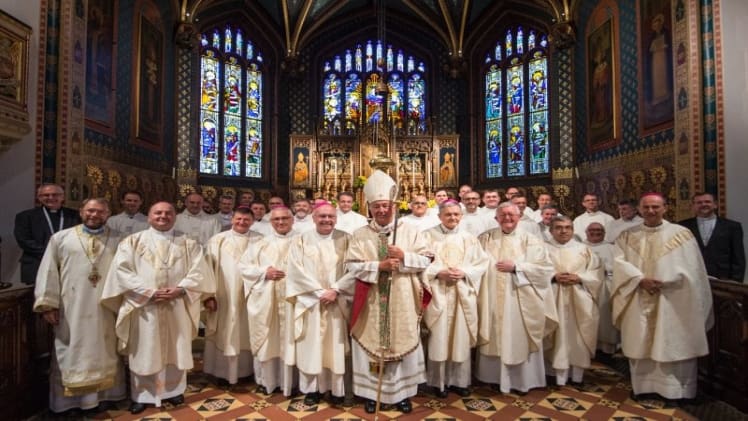
Religion has been an integral part of human history. It is a way of life that has been passed down from generation to generation, and its teachings have been used to shape societies and cultures. Religion has also been used to affirm and perpetuate social hierarchies. This article will explore the relationship between religion and social hierarchy, and how this relationship has been used to maintain structures of power and privilege.
Religion and Social Hierarchy
Religion has often been used to justify and maintain social hierarchies. In many cultures, religion has been used to create and maintain systems of oppression and power. This has been seen in the caste system of India, where people were divided into social classes based on their birth, with members of the upper classes having access to more resources and privileges. In other cultures, religion has been used to create a divide between those who are considered “worthy” and those who are considered “unworthy”. This has been seen in the history of the Catholic Church, where those who were considered to be of higher status were given more rights and privileges.
In addition, religion has been used to justify the subjugation of women. In many cultures, religious teachings have been used to deny women access to education, political rights, and economic opportunities. This has been seen in the history of Christianity, where women were not allowed to hold positions of power or authority.
Understanding the Relationship
The relationship between religion and social hierarchy is complex. On the one hand, religion can be used to affirm and perpetuate systems of oppression and power. On the other hand, religion can also be used to challenge these systems and create a more equitable society. In many cultures, religious teachings have been used to promote social justice and equality. This has been seen in the history of the civil rights movement in the United States, where religious leaders were at the forefront of the struggle for equality and justice.
At its core, religion is about creating a connection between individuals and their higher power. It is about creating a sense of belonging and community. In this way, religion can be used to bring people together, regardless of their social status. Religion can also be used to promote understanding and compassion between people of different backgrounds and perspectives.
In conclusion, religion has often been used to affirm and perpetuate social hierarchies. However, it can also be used to challenge these systems and promote social justice and equality. Religion can be used to create a sense of belonging and community, and to promote understanding and compassion between people