

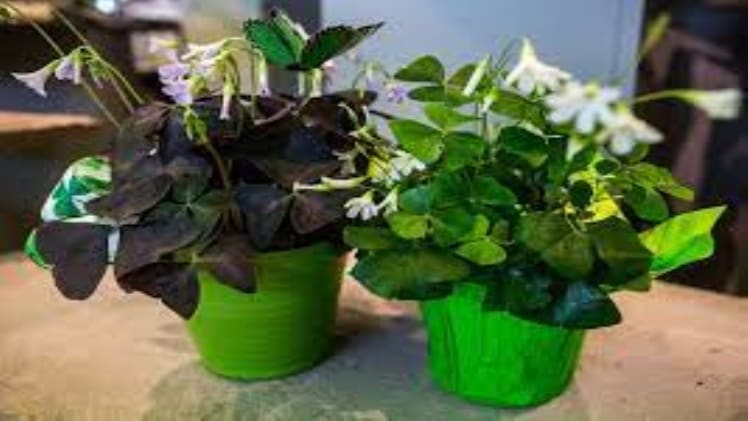
Purple oxalis, otherwise known as false shamrocks, are a popular houseplant with bright purple foliage and delicate white flowers. This plant is easy to care for and can add a touch of color to any home. Unfortunately, many people have noticed that their purple oxalis is turning green. In this article, we’ll discuss why this might be happening and what you can do to help.
Purple Oxalis: Causes of Color Change
Purple oxalis is a variety of the wood sorrel plant, which is native to North America. The purple color of this plant is caused by anthocyanin pigments, which are compounds found in many plants that give them their vibrant hues. The amount of anthocyanin in the plant can vary depending on the environment, and this can lead to a change in color.
In particular, purple oxalis needs plenty of bright, indirect light to maintain its vibrant purple color. If the plant isn’t getting enough light, or if the light is too harsh, the anthocyanin can break down and the purple color will start to fade.
Why Is My Purple Oxalis Turning Green?
If your purple oxalis is turning green, it could be due to a lack of light or too much direct sunlight. To help the plant maintain its color, make sure it is getting plenty of bright, indirect light and that it isn’t sitting in direct sunlight for too long.
In addition to light, purple oxalis needs to be watered regularly. Make sure to water the plant when the soil is dry to the touch, but avoid overwatering, as this can cause the leaves to turn yellow or brown.
Finally, make sure the plant is getting enough nutrients. Fertilize the plant every two weeks during the growing season with a balanced fertilizer to ensure it has all the nutrients it needs.
Purple oxalis can be a beautiful addition to any home, but it needs the right amount of light, water and nutrients to stay healthy and vibrant. If your purple oxalis is turning green, try adjusting the lighting, watering and fertilizing to see if this helps. With the right care, you can keep your purple oxalis looking its best.