

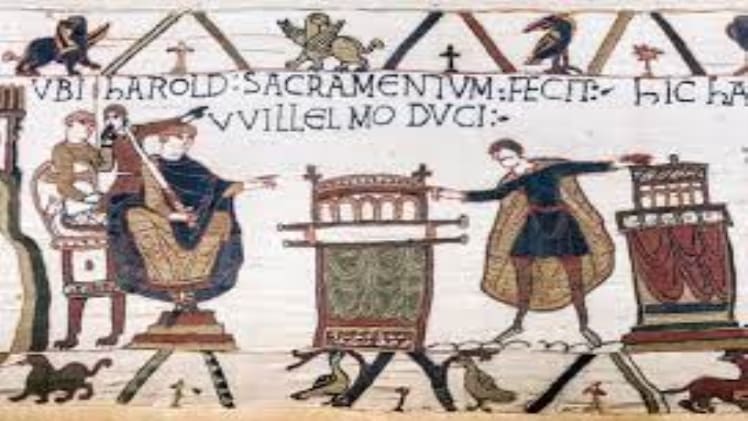
A Vassal King is a monarch who rules over a certain area or kingdom, but is subject to the authority of a higher power, such as an emperor, another king, or a religious leader. Vassal Kings were common in the Middle Ages, and their relationship with their overlords was one of loyalty and service. In exchange for their loyalty, the vassal kings were given autonomy and protection from their overlords.
What is a Vassal King?
A Vassal King is a monarch who rules over a certain area or kingdom, but is subject to the authority of a higher power, such as an emperor, another king, or a religious leader. This higher power is often referred to as the overlord, and the relationship between the vassal king and the overlord is one of loyalty and service. In exchange for their loyalty, the vassal kings were given autonomy and protection from their overlords.
Characteristics of a Vassal King
- Loyalty: The vassal king was expected to be loyal to the overlord, and to follow their orders. This loyalty was often enforced through a code of chivalry, which required the vassal king to show respect and obedience to their overlord.
- Autonomy: The vassal king was granted autonomy over their own kingdom and was allowed to make their own decisions about how to rule. This autonomy was limited, however, and the vassal king was still expected to follow the orders of the overlord.
- Protection: The vassal king was provided with protection from the overlord. This protection could take the form of military assistance, or it could be in the form of financial and political support.
Vassal Kings were an important part of the feudal system in the Middle Ages, and they played a crucial role in ensuring the power and stability of the ruling class. Although the vassal king was expected to be loyal and obedient to their overlord, they were also granted autonomy and protection in exchange for their service.