

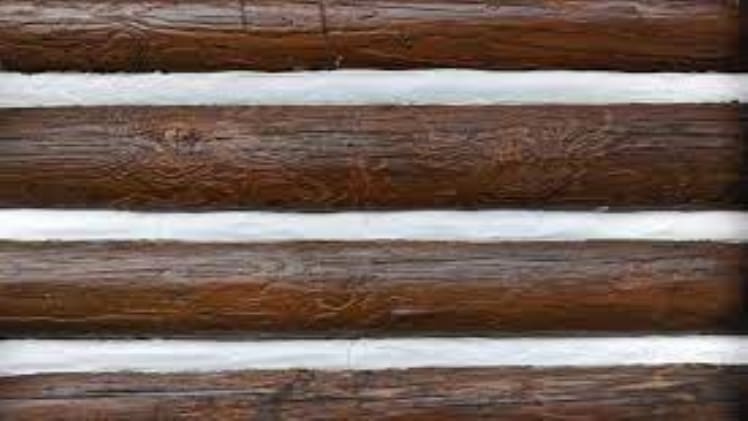
Log homes are beautiful and unique structures. They can bring a rustic and cozy feel to any backyard or property. But in order to keep them looking great and functioning properly, they need to be properly maintained. One of the most important maintenance tasks is chinking. Chinking is the process of filling the gaps between logs with a special type of sealant. This helps to keep moisture, air, and pests out of the home. It also helps to keep the structure of the home intact. In this article, we’ll discuss the benefits of chinking log homes and how to properly chink a log home.
Benefits of Chinking Log Homes
Chinking is an important part of maintaining a log home. It helps to keep moisture and pests out of the home, which can lead to rot and other damage. It also helps to keep the structure of the home intact by preventing the logs from shifting and warping. Additionally, chinking helps to provide an extra layer of insulation for the home, which can help to keep energy costs down.
How to Chink a Log Home
Chinking a log home is a relatively straightforward process. First, inspect the home to make sure that all of the gaps between the logs are clean and free of debris. Then, use a putty knife or other tool to apply the chinking material to the gaps. Make sure to apply the chinking in a continuous line, and use a brush to smooth it out. Finally, let the chinking dry and inspect the work to make sure that it is properly sealed.
Chinking is an important part of maintaining a log home. It helps to keep moisture, pests, and air out of the home, as well as providing an extra layer of insulation. Chinking is a relatively simple process, but it’s important to make sure that it is done properly in order to ensure the home is properly sealed and insulated. With proper chinking, a log home can last for many years to come.