

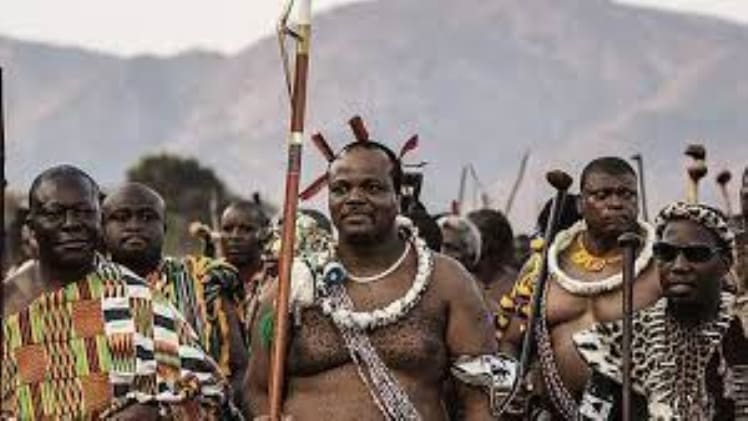
Swaziland is a small, landlocked country in southeastern Africa. It is home to the Swazi people, whose culture and traditions have been passed down through generations. Since the country’s independence in 1968, it has gone through many changes, including a name change in 2018. In this article, we will take a look at the history of Swaziland and the reasons behind its name change.
History of Swaziland
Swaziland was first inhabited by the San people, a group of hunter-gatherers, in the early Stone Age. Later, the Nguni people, ancestors of the modern Swazi people, settled in the area. The Nguni developed a powerful kingdom in the late 17th century, which was ruled by the Ngwane dynasty. In the late 19th century, Swaziland was colonized by the British, who ruled it until independence in 1968.
Swaziland’s Name Change
In 2018, the government of Swaziland announced that the country would be changing its name to the Kingdom of eSwatini. The name change was part of a larger effort to reclaim the country’s cultural identity and move away from its colonial past. The new name is derived from the Swazi language and translates to “land of the Swazis”.
The name change has been met with mixed reactions from the international community. Some have welcomed the move as a way to embrace the country’s heritage and culture, while others have argued that the name change is merely an attempt to gain international recognition.
Swaziland’s name change to the Kingdom of eSwatini is a significant moment in the country’s history. It is a way for the country to reclaim its cultural identity and distance itself from its colonial past. While the change has been met with mixed reactions, it is a reminder that the Swazi people have a long and proud history that should be celebrated.