

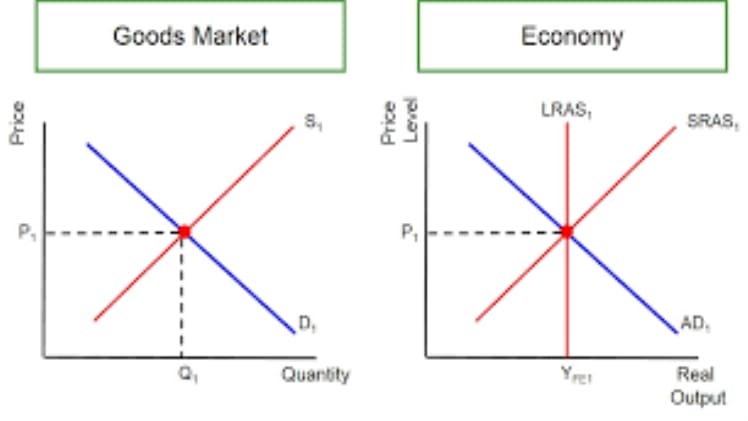
Market Clearing Price (MCP) is a concept used in economics and finance to refer to the price of a good or service that is determined by supply and demand in a free market. It is the point at which the market is in equilibrium, meaning that the quantity of the good or service supplied is equal to the quantity demanded. This price is determined through the interaction of buyers and sellers in the market, and is often used to determine the optimal price for a good or service.
What is Market Clearing Price?
Market Clearing Price (MCP) is the equilibrium price of a good or service in a market, determined by the interaction of buyers and sellers. It is the price point at which the quantity of goods supplied is equal to the quantity demanded. This price is determined by the forces of supply and demand in the market, and is often used to determine the optimal price for a good or service.
Benefits of Market Clearing Price
There are several benefits of Market Clearing Price. Firstly, it helps to ensure that the price of a good or service is fair and reasonable. By setting the price at the point of equilibrium, buyers and sellers can both benefit from the transaction, as the price is set at a level that both parties are willing to accept.
Secondly, Market Clearing Price helps to ensure that resources are allocated efficiently. By setting the price at the point of equilibrium, resources are distributed in the most efficient way possible, as buyers and sellers are both able to purchase and sell the goods or services at the price which is most beneficial to them.
Lastly, Market Clearing Price helps to prevent market distortions. By setting the price at the point of equilibrium, buyers and sellers are incentivized to act in the most efficient manner possible, as the price is not distorted by external factors such as government intervention or other market influences.
Overall, Market Clearing Price is a concept used in economics and finance to refer to the price of a good or service that is determined by supply and demand in a free market. By setting the price at the point of equilibrium, buyers and sellers can both benefit from the transaction, resources are allocated efficiently and market distortions are prevented.