

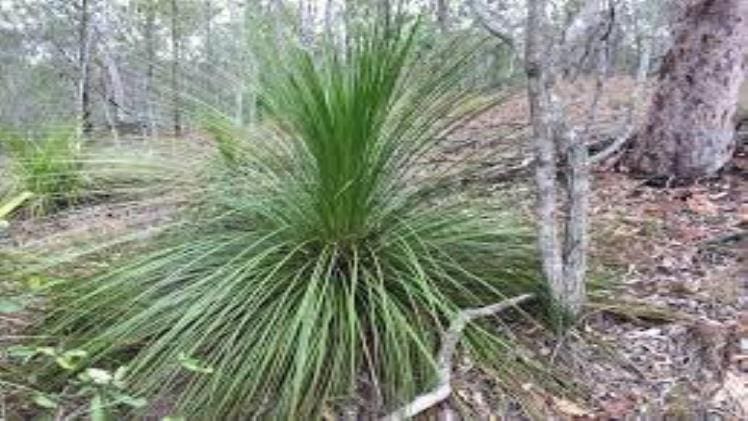
Grasses are a type of flowering plant that are found all over the world. They are an important part of the environment, providing food for animals and humans, and helping to stabilize soils. In this article we will explore the question of whether grasses are monocots or dicots.
What Are Grasses?
Grasses are a type of flowering plant that belong to the family Poaceae. They are one of the most widely distributed plant families in the world, and can be found in many different habitats, from deserts to wetlands. Grasses are generally small, herbaceous plants, and they have a number of distinctive features, such as long, narrow leaves and stems that are often hollow. They also have a special type of root system, called a fibrous root system, which helps them to absorb water and nutrients from the soil.
Are Grasses Monocots or Dicots?
Grasses are monocots, meaning they have one cotyledon in their seeds. Monocots are a type of flowering plant that typically have long, narrow leaves and stems, and a fibrous root system. Other examples of monocots include lilies, orchids, and palms.
Dicots, on the other hand, have two cotyledons in their seeds. Dicots are typically larger plants, with broad leaves and stems, and a taproot system. Examples of dicots include roses, beans, and tomatoes.
In conclusion, grasses are monocots, meaning they have one cotyledon in their seeds. Monocots are a type of flowering plant that typically have long, narrow leaves and stems, and a fibrous root system. Grasses are an important part of the environment, providing food for animals and humans, and helping to stabilize soils.