

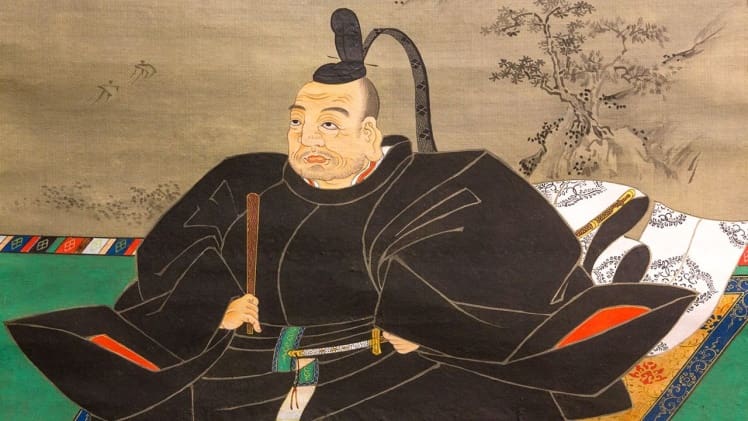
Tokugawa Ieyasu was a powerful Japanese daimyo (feudal lord) and the founder of the Tokugawa shogunate, which lasted until the Meiji Restoration in 1868. He was one of the most influential figures in Japanese history and his rule is still remembered today. This article looks at where Ieyasu ruled and the legacy he left behind.
Tokugawa Ieyasu’s Rule
Ieyasu was born in 1543 in a small village in the Mikawa province, which was part of the larger province of Suruga. He rose to power in the late 16th century and eventually became the ruler of the entire country. He unified Japan and established the Tokugawa Shogunate in 1603. This was a centralized government that lasted for 250 years. He ruled from Edo (now Tokyo) and his rule extended throughout the country. He also established a rigidly hierarchical social system known as the Four-tier Class System, which was based on the Confucian social order.
Ieyasu was also responsible for the economic and cultural development of Japan. He implemented a number of policies that encouraged trade and the growth of cities. He also encouraged the spread of Buddhism and Confucianism, which became the predominant religions of Japan.
Legacy of Tokugawa Ieyasu
Ieyasu’s rule had a lasting impact on Japan. He unified the country and established a strong central government that lasted for centuries. He also established a rigidly hierarchical social system and encouraged the spread of Buddhism and Confucianism. His policies helped to promote economic and cultural growth, which laid the foundation for modern Japan.
Ieyasu’s legacy is still remembered today. He is revered as a powerful leader who helped to shape the course of Japanese history. His rule is often seen as a symbol of stability and strength.
Tokugawa Ieyasu was a powerful daimyo who unified Japan and established a strong central government. He ruled from Edo and his rule extended throughout the country. He also implemented policies that encouraged economic and cultural development. His legacy is still remembered today and he is revered as a powerful leader who helped to shape the course of Japanese history.