

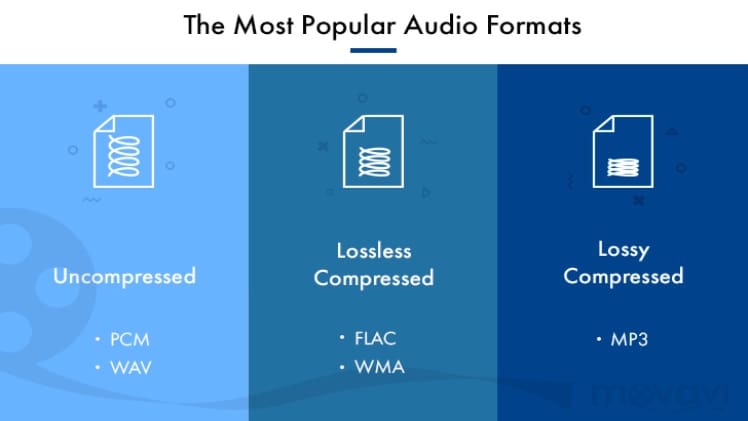
Wav is a popular audio format for both recording and playback. It is a widely used format for both professional and consumer audio applications, and is often used for storing audio files on computers. But what is the difference between compressed and uncompressed audio? Is Wav compressed or uncompressed? Let’s take a look.
What is Wav?
Wav is a file format for storing audio data. It was developed by Microsoft and IBM in 1991, and is the most common format for storing audio data on computers. Wav files can contain audio in a variety of formats, including PCM, ADPCM, and IEEE Float. Wav files are typically uncompressed, which means that they take up more space on a hard drive than compressed audio formats.
Is Wav Compressed or Uncompressed?
Wav is an uncompressed audio format. This means that it takes up more space on a hard drive than compressed audio formats, such as MP3 and AAC. However, because Wav is uncompressed, it has higher quality audio than compressed formats. This makes it ideal for recording and editing audio, as it preserves the original sound without any loss of quality.
In summary, Wav is an uncompressed audio format, which means it takes up more space on a hard drive than compressed formats. However, because it is uncompressed, it has higher quality audio than compressed formats, making it ideal for recording and editing audio.