

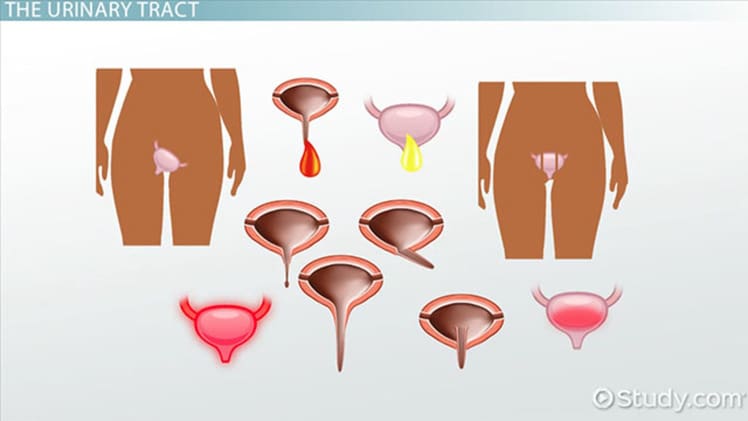
Urethrostenosis is a medical condition that affects the urethra, the tube that carries urine out of the bladder and out of the body. It is a narrowing of the urethra, which can make it difficult or impossible for urine to pass through. Urethrostenosis can be caused by a variety of conditions, including infection, inflammation, and tumors. Treatment depends on the underlying cause, but can include medications, surgery, and lifestyle changes.
Definition of Urethrostenosis
Urethrostenosis is a medical condition that affects the urethra, the tube that carries urine out of the bladder and out of the body. It is a narrowing of the urethra, which can make it difficult or impossible for urine to pass through. Urethrostenosis is also known as urethral stricture, urethral narrowing, or urethral obstruction.
Causes and Symptoms of Urethrostenosis
Urethrostenosis can be caused by a variety of conditions, including infection, inflammation, and tumors. It can also be caused by trauma to the urethra, such as from a catheter or a pelvic fracture. In some cases, the cause of urethrostenosis is unknown.
The most common symptom of urethrostenosis is difficulty urinating. Other symptoms may include a burning sensation during urination, a feeling of incomplete emptying of the bladder, frequent urination, and pain in the lower abdomen or groin. Urethrostenosis can also lead to urinary tract infections, bladder stones, and kidney damage if left untreated.
Urethrostenosis is a serious condition that can lead to serious complications if left untreated. Treatment depends on the underlying cause, but can include medications, surgery, and lifestyle changes. If you have any of the symptoms of urethrostenosis, it is important to talk to your doctor as soon as possible to get the appropriate treatment.