

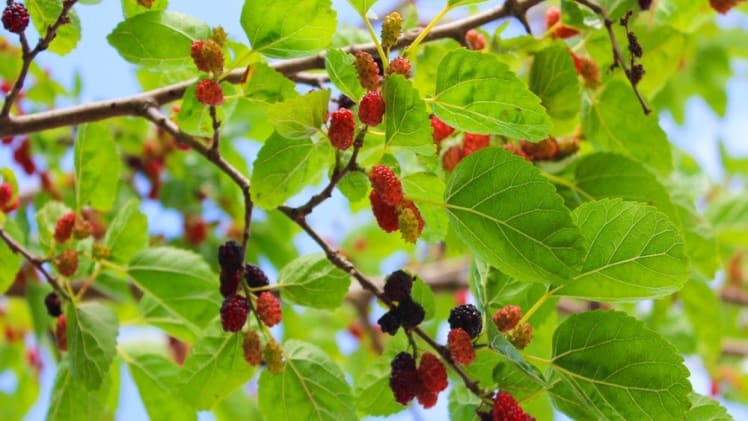
Mulberry trees are a popular choice among gardeners and homeowners alike, due to their striking foliage and sweet fruit. However, salt can have a detrimental effect on these trees, and it is important to be aware of the potential risks before applying salt near mulberry trees. This article will explore the impact of salt on mulberry trees, and how to assess the risk of salt damage.
Salt’s Impact on Mulberry Trees
Salt can be toxic to mulberry trees, and can cause a range of symptoms from leaf scorch to death of the tree. The most common symptom of salt damage is leaf scorch, which is characterized by yellow or brown leaf margins, followed by leaf drop. If salt is applied to the soil around the tree, it can also cause root damage, which can lead to stunted growth, wilting, and death of the tree.
Assessing the Risk of Salt Damage
The risk of salt damage to a mulberry tree can be assessed by examining the amount of salt present in the soil and the amount of water the tree is receiving. If the salt content of the soil is high, or if the tree is not receiving enough water to dilute the salt, then the risk of salt damage is high. If the salt content of the soil is low and the tree is receiving enough water, then the risk of salt damage is low.
It is important to note that salt damage can be irreversible, so it is best to avoid using salt near mulberry trees. If salt is necessary, it should be applied cautiously and with careful monitoring to ensure that the tree is not being damaged.
In conclusion, salt can be harmful to mulberry trees, and it is important to assess the risk of salt damage before applying salt near mulberry trees. If salt is necessary, it should be applied cautiously and with careful monitoring to ensure that the tree is not being damaged.