

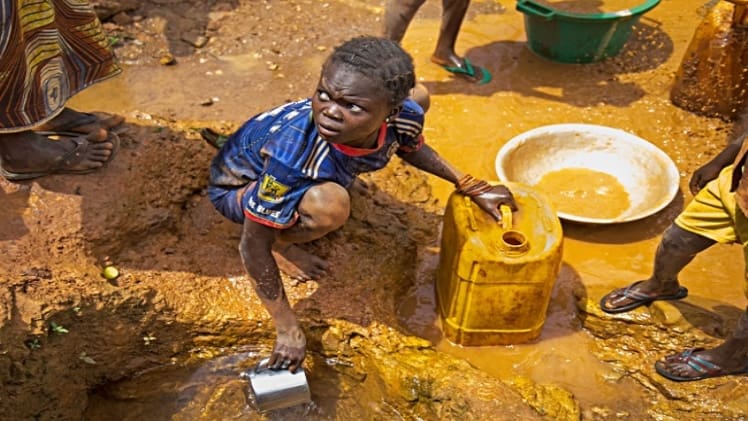
Poverty is a complex issue that has many contributing factors. It affects both individuals and entire nations, and can have a devastating effect on the quality of life. A basic understanding of the four main factors that contribute to poverty can help to better inform policies and initiatives that aim to reduce its prevalence.
Contributory Factors to Poverty
Poverty is a complex issue with multiple contributing factors. These can be divided into four categories: economic, political, social, and environmental. Economic factors include income inequality, low wages, and a lack of access to resources. Political factors include corruption and a lack of political representation. Social factors include discrimination, lack of education, and poor health. Environmental factors include climate change, natural disasters, and pollution.
Examining the Four Causes
Economic factors are the most commonly cited cause of poverty. Income inequality is a major factor, as those at the bottom of the income ladder often struggle to make ends meet. Low wages and a lack of access to resources can also lead to poverty. Additionally, a lack of access to credit and financial services can prevent people from achieving financial stability.
Political factors can also contribute to poverty. Corruption and a lack of political representation can lead to inequality and a lack of access to resources. This can lead to a lack of economic opportunity and can trap people in a cycle of poverty.
Social factors can also contribute to poverty. Discrimination can prevent people from accessing resources and opportunities. A lack of education can limit employment prospects, and poor health can prevent people from working.
Environmental factors can also have an impact on poverty. Climate change can lead to droughts and floods, which can have a devastating effect on food production. Natural disasters can also cause destruction and displacement, which can lead to poverty. Additionally, pollution can lead to poor health and a lack of access to resources.
Poverty is a complex issue with many contributing factors. A basic understanding of the four main causes can help to better inform policies and initiatives that aim to reduce its prevalence. By addressing the economic, political, social, and environmental factors, we can work towards reducing poverty and improving the lives of those affected.