

In the world of manufacturing, precision and consistency are critical. Whether producing pharmaceuticals, microelectronics, aerospace components, or even food products, maintaining stringent quality control measures is essential. This helps ensure that every item meets the highest standards.
One critical setting that has revolutionized quality control in manufacturing is the cleanroom. Cleanrooms are specialized environments designed to minimize contaminants and maintain precise environmental conditions.
According to Grand View Research, the cleanroom technology market was worth USD 3.6 billion in 2022. It will maintain a CAGR of 5.58% from 2023 to 2030. It is expected to be valued at USD 5.6 billion by 2030.
In this article, we will discuss cleanrooms and explore how these controlled environments enhance quality control in various manufacturing industries.
Contamination Control
Clean room design provides a tightly controlled atmosphere where dust, airborne particles, and microorganisms are kept at a minimum. This meticulous contamination control prevents foreign substances from compromising the manufacturing process or the integrity of the final product.
In pharmaceutical manufacturing, for example, a single airborne particle can jeopardize an entire batch of medication. Cleanrooms ensure that such incidents are exceedingly rare.
Another example of such contamination is the February 2022 baby powder recall. According to the FDA, Abbott Nutrition had to recall three different brands of their baby formula due to bacterial contamination. This highlights the real and present dangers of contamination in manufacturing.
Consistent Temperature and Humidity
Maintaining consistent temperature and humidity levels is crucial in many manufacturing processes. Fluctuations can lead to dimensional changes, material instability, or chemical reactions that affect product quality.
According to American Cleanroom Systems, cleanrooms are equipped with advanced HVAC systems that regulate these parameters with exceptional precision. This reduces the risk of production errors and product defects.
Stringent Process Monitoring
Cleanrooms facilitate continuous monitoring of manufacturing processes. This real-time oversight enables quick identification of deviations from set parameters, allowing corrective action to be taken promptly.
Consequently, defects can be minimized, and production consistency can be improved. For semiconductor manufacturing, where even minor deviations can result in catastrophic failures, this level of monitoring is indispensable.
Sterile Environments for Pharmaceuticals
In the pharmaceutical industry, maintaining sterility is non-negotiable. Cleanrooms in pharmaceutical manufacturing are specifically designed to meet Good Manufacturing Practices (GMP) requirements.
According to the WHO, GMP ensures consistent production and control of medicines in line with their intended quality standards. GMP outlines criteria for production and quality control, along with establishing clear procedures for production and testing processes.
Cleanrooms prevent microbial contamination. This ensures that every drug batch is safe and efficacious, and they are essential in the development of life-saving medications.
Minimized Product Contamination
Product contamination can lead to recalls, health risks, and reputation damage. Cleanrooms reduce the risk of contamination by providing a controlled environment that prevents the introduction of foreign materials or impurities.
This is particularly vital in industries like food production, where consumer safety is paramount and maintaining public trust is crucial. By maintaining strict cleanliness standards, cleanrooms also help manufacturers meet regulatory requirements and avoid costly fines associated with non-compliance.
Enhanced Worker Safety
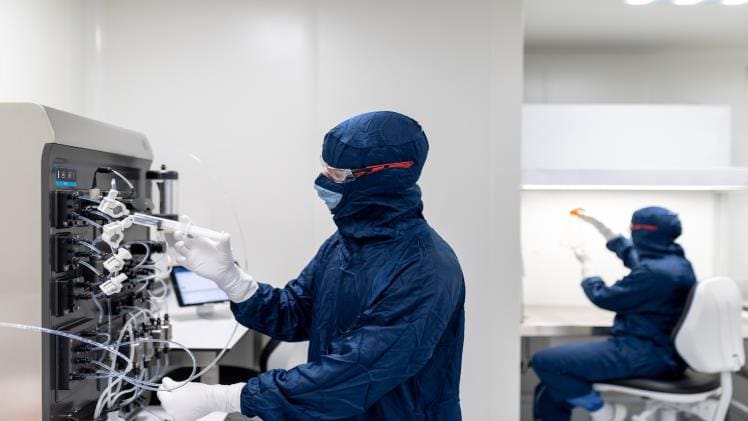
Cleanrooms prioritize worker safety by minimizing exposure to harmful substances and hazardous conditions. Workers are provided with specialized clothing to prevent contamination of the manufacturing process and ensure their safety.
This not only protects employees but also improves product quality, resulting in a safer and more productive workplace. Furthermore, the safety measures imposed in cleanrooms develop a culture of safety awareness among staff.
Improved Cost-Efficiency
Cleanrooms lead to increased product cost-efficiency. By reducing defects, minimizing process interruptions, and enhancing the consistency of manufacturing processes, cleanrooms help manufacturers optimize their operations.
This results in higher-quality goods and lower long-term manufacturing costs. This makes cleanroom investments a strategic choice for companies aiming to remain competitive in today’s global market.
Future Challenges and Opportunities
As cleanroom technology continues to evolve, it also faces challenges and opportunities on the horizon. Here’s a glimpse of what lies ahead:
-
Miniaturization Challenges:
With the rise of miniaturized electronics and nanotechnology, cleanrooms will need to adapt to even stricter cleanliness requirements. This will help avoid contaminating ultra-sensitive components.
-
Energy Efficiency:
The quest for sustainability will push cleanroom technology to become more energy-efficient. Innovations in HVAC systems and power management will be critical.
-
Customization and Flexibility:
Manufacturers will seek more adaptable cleanroom designs to accommodate evolving production needs. Modular cleanrooms that can be easily reconfigured will gain prominence.
-
Integration With AI and Machine Learning:
The integration of machine learning and AI will enable predictive quality control, helping detect defects before they occur.
-
Cleanroom Standardization:
Global standardization efforts will continue to ensure consistency in cleanroom design, operation, and certification.
Final Thoughts
Cleanrooms play a pivotal role in modern manufacturing by ensuring contamination control, maintaining precise environmental conditions, and enhancing quality control. These controlled environments safeguard against product defects, minimize the risk of recalls, and prioritize worker safety.
Moreover, they enable manufacturers to meet regulatory requirements, reduce production costs, and maintain a competitive edge in the global market. As the cleanroom technology market continues to grow, it underscores the undeniable importance of these specialized environments.
Overall, cleanrooms play an unparalleled role in consistently delivering high-quality products and ensuring consumer safety within today’s manufacturing landscape.