

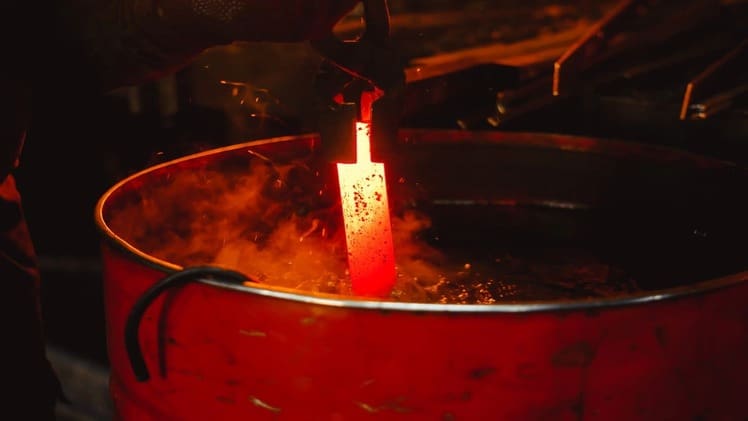
Steel hardening is a process of increasing the strength and durability of steel by adding a layer of oil or other material to the surface. This process can be used to make steel more resistant to wear and tear, and can be used to create a variety of different shapes and sizes. Steel hardening is an important part of the manufacturing process for many products, as it helps to ensure the structural integrity and longevity of the steel.
Benefits of Steel Hardening
Steel hardening is beneficial for a number of reasons. One of the primary benefits is that it increases the strength and durability of the steel, making it more resistant to wear and tear. Additionally, steel hardening can be used to create a variety of different shapes and sizes, allowing for greater flexibility in the design of products. Finally, steel hardening can help to extend the life of the steel, ensuring that it will last for many years to come.
Types of Oil Used for Steel Hardening
There are a number of different types of oil that can be used for steel hardening. The most commonly used type of oil is mineral oil, which is a light, odorless oil that is often used in the manufacturing of steel products. Other types of oil that can be used include vegetable oil, animal fat, and synthetic oils. All of these oils help to protect the steel from corrosion and wear and tear, and can help to increase the strength and durability of the steel.
Steel hardening is an important process in the manufacturing of steel products, and the type of oil used can have a significant impact on the strength and durability of the steel. Mineral oil is the most commonly used type of oil, but other types such as vegetable oil, animal fat, and synthetic oils can also be used. By choosing the right type of oil, manufacturers can ensure that their steel products will last for many years to come.