

Once the temperature finally drops in Brisbane during the winter, many people choose gas heaters to keep them warm. Nevertheless, giving the highest importance to safety is a condition to avoid any danger that an incorrect use of such devices may cause. Using only modern, certified, safe gas heaters in Brisbane is vital to a suitable heating solution; consider the efficiency level and safety. The following are the best practices you need to apply to ensure safety and comfort in cold weather.
1. Purchase Certified Heaters
Opt for gas heaters fitted with Australian safety standards. Try to find models with a certification sticker showing they have passed tests requiring safety and efficiency. This will enhance the quality of your unit and ensure that it will operate satisfactorily under local weather conditions.
2. Install Carbon Monoxide Alarms!
Placing CO alarms close to your heating devices and in the sleeping quarters would warn you early, leaving no room for carbon monoxide intoxication. Consistently run these alarms to make sure they are working correctly and efficiently.
3. Ensure Proper Ventilation
Ventilation is crucial, as this is the main factor for the safe operation of gas heaters. Ensure that the room is well-ventilated and that gas-bearing substances do not accumulate. Some heaters must be externally vented, so you may need to check the required venting system from the manual or have a professional installer ensure your heating setup properly circulates the air.
4. Regular Maintenance Checks
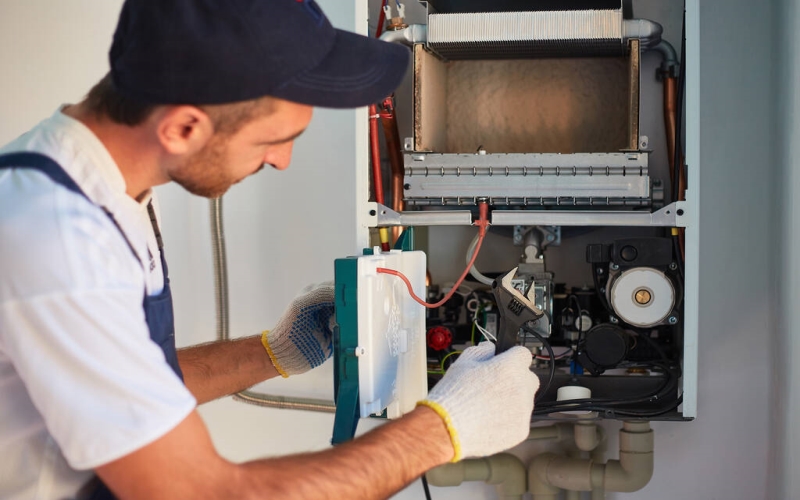
Arrange for yearly inspections by a qualified technician to avoid any safety hazards and inefficiency associated with the gas heater. They can spot any gas problems, like leaks or faulty components, and help prevent them from becoming severe. A professional can also thoroughly clean and calibrate the heater to make it work at optimal performance.
5. Follow Manufacturer Instructions
To operate safely, follow the manufacturer’s requirements. These include the correct installation, usage, and maintenance instructions. If the corresponding booklet is lost, most producers provide downloadable copies online. Following these guidelines prevents unsafe workplace conditions that could cause fatalities.
6. Maintain Flammable Substances Away
Place the heater at least three feet from flammable objects like curtains, furniture, and bedding. An appropriate distance keeps the heat from reaching the point of ignition, which could lead to fire in the adjacent objects. On the other hand, it is not advisable to dry any clothes or other items directly on the heater because it is too risky.
7. Employ Quality Gas Containers and Connections
Utilise gas containers in perfect condition, and do not forget to check the connection constantly. Inspect hoses and connectors for any signs of damage and replace them if found faulty. Failures in these units may provoke gas build-up, potentially deadly.
8. Beware of the use of portable heaters.
When using a portable gas heater with no open windows, never shift it while it is in operation. Remember to always turn the heater off before repositioning it. Besides, be sure that the heater is balanced and placed on a flat surface so that it won’t fall over.
9. Learn to know when to swap.
Lastly, note that gas heaters have a lifespan. Almost all heaters have a usage limit upon which they need to be replaced. Not only are conventional machines more inefficient, but they are also more likely to be defective, which can endanger security.
Conclusion
With this in mind, you will undoubtedly be able to enjoy your certified safe gas heaters without posing safety risks to you or your environment. Don’t forget to make this proactive approach a priority, as it is the most effective way of ensuring safety and confidence with indoor heating appliances.