

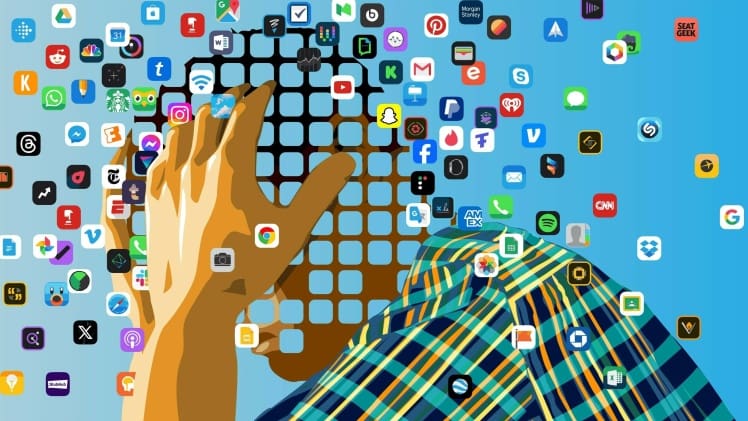
The Rise of Social Media and Decline of Traditional Broadcasting
Have you ever wondered how social media has changed the way we consume news and entertainment? Gone are the days of gathering around the television to watch the evening news at dinnertime or tuning in each week to catch your favorite TV show. Social media platforms like Facebook, Instagram, and YouTube have revolutionized how we access information and stay up to date with current events. The rise of viral internet challenges, reaction videos, and influencer culture has even shaped pop culture in ways that traditional broadcasting never could. While television still plays a role, social media has become the first place many turn for breaking news, entertainment, and water cooler talk. If you’re curious to understand the impact social media has had on broadcasting, click here to dive into how these platforms have forever changed the media landscape.
How Social Media Has Changed Viewer Habits and Expectations
Social media has revolutionized how we consume and share information. Traditional broadcasting – radio, television, and cable – is declining rapidly as audiences turn to platforms like YouTube, Facebook, Instagram and TikTok.
The Rise of On-Demand and Customized Content
On social media, content is available on-demand 24/7. You can watch, read or listen to whatever you want, whenever you want. This instant access and control over curating your own feeds with topics that interest you has made traditional broadcasting scheduling and limited options seem outdated.
Social media also allows for highly customized and personalized experiences. Algorithms track your interactions to serve up content tailored to your tastes. This personalized aspect fosters a strong sense of community and connection as you follow influencers and accounts that share your values or interests.
Decline of Ad Revenue and Cord-Cutting
As audiences have shifted online, ad revenue for broadcasters has plunged. Many cable subscribers have “cut the cord” in favor of streaming services and social media. According to surveys, 18-34 year olds watch the least amount of traditional TV, instead spending hours each week consuming content on YouTube, TikTok, and streaming platforms.
While traditional broadcasting still has its place, especially for live events, social media has transformed how we access information and entertainment. The rise of platforms like YouTube and TikTok, with their short-form, user-generated content, have filled the needs of younger generations in a way that traditional broadcasting has failed to do. The future of media is social.
The Future: How Broadcasters Can Adapt and Thrive in the Social Media Age
These days, viewers have come to expect on-demand and personalized content. Thanks to social media, people can now watch what they want, when they want it. How Viewing Habits Have Shifted
Traditional broadcasting operated on fixed schedules, but social media has made content available 24/7. Viewers are now accustomed to binge-watching entire TV series or catching up on the news whenever it suits them.
Social platforms have also made it easy to discover niche content tailored to specific interests and passions. Whether you’re into Korean dramas, woodworking tutorials or makeup reviews, there’s a channel for that. Viewers today expect content that is hyper-relevant and tailored to them.
(-) On-demand access. Viewers can watch content immediately instead of waiting for scheduled airtimes.
(-) Binge-watching. Entire TV series are available all at once, allowing viewers to watch multiple episodes back-to-back.
(-) Personalized content. There are channels and creators that cater to every interest, passion and niche. Viewers can subscribe to content that is highly relevant and tailored to them.
(-) Interaction and engagement. Viewers can like, comment on and share content, as well as interact directly with creators. This level of engagement and feedback was not possible with traditional broadcasting.
With social media redefining how viewers consume content, traditional broadcasters have had to adapt quickly. Providing on-demand access, binge-worthy content, personalization options and opportunities for viewers to engage and interact have become must-haves to stay relevant. The viewing experience today is an interactive two-way street, not a one-way broadcast.