

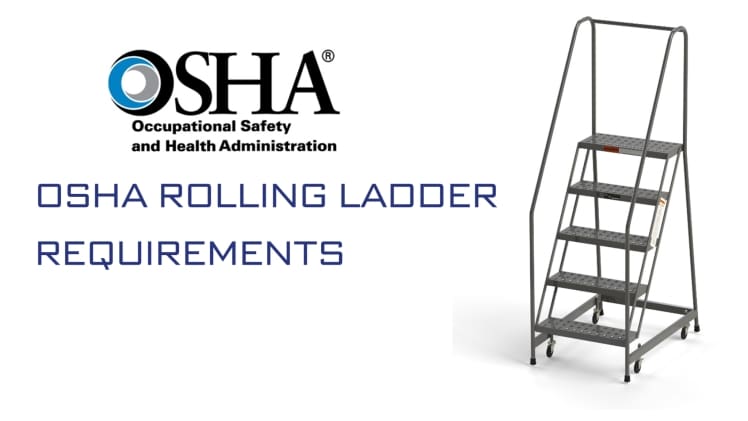
Portable ladders are commonly used in various industries, and they serve as a valuable tool for reaching elevated work areas. However, their misuse can result in severe accidents and injuries, making it crucial to adhere to the Occupational Safety and Health Administration (OSHA) regulations for portable ladder use. In this comprehensive guide, you will explore OSHA’s requirements for portable ladders, including fall protection, inspection, safety tips, and other essential rules to ensure a safe working environment. For a thorough understanding, employees can access OSHA 30 Spanish online course to enhance their safety knowledge and practices.
Why Consider OSHA Portable Ladder Fall Protection?
OSHA is dedicated to protecting the health and safety of workers in a variety of industries. Their rules are designed to lower occupational fatalities and injuries. According to statistics, ladders are frequently to blame for workplace mishaps including falls. In the United States, 880 workers died in falls in 2019; 72 of the deaths were related to ladders, according to OSHA. These concerning data highlight the significance of adhering to OSHA’s rules for portable ladders.
Types of Portable Ladders
Understanding the specific requirements for different types of portable ladders is crucial for workplace safety. The Occupational Safety and Health Administration classifies significant OSHA portable ladders into several categories, each with its own set of regulations.
Portable Wood Ladders
Portable wood ladders are one of the most commonly used ladders in various industries. They are lightweight, easy to transport, and offer good electrical insulation. However, OSHA provides specific requirements for portable wood ladders, such as the need for inspection and proper maintenance to prevent splintering or cracking
Portable Metal Ladders
Metal ladders are another type that is widely used, especially in industrial settings. OSHA’s regulations for portable metal ladders include the use of non-conductive materials when working near electrical hazards. However, portable metal ladder OSHA should also be inspected for any rust or corrosion that could weaken the structure and may lead to severe injuries. Considering the structure and material of metal ladders is crucial to secure employees from severe injuries.
Extension Ladders
Extension ladders are used to reach higher elevations. OSHA requires that extension ladders be set up at the correct angle and be secured to prevent slipping or falling. Fall protection becomes crucial when dealing with extension ladders that exceed 24 feet. However, these ladders have two parts that can be extended and locked in place to provide access to higher areas, such as roofs and walls. So, if you use an extension ladder, it must be free from any kind of damage.
Step Ladders
Step ladders are commonly found in construction and household settings. OSHA mandates that step ladders are used on level surfaces and fully opened with the spreader bars locked in place. Overreaching while on a step ladder should be avoided to prevent tipping. As you know, these kinds of ladders are self-supporting with a hinged design that allows them to be set up and used without additional support. They are commonly used for tasks like painting, maintenance, and repair work.
Fixed Ladders
These ladders are permanently attached to structures and provide access to elevated areas. They are often used in industrial settings, such as on the exteriors of tanks and silos.
Platform Ladders
Platform ladders feature a work platform at the top, providing a stable surface for working at heights. They are commonly used in construction and maintenance work.
Employees Should be Aware Of the Dos and Don’ts of Ladder Use
Considering the OSHA portable ladder rules are essential for every employee. According to National Ag Safety Database, every year there were almost 130,000 injuries and 300 fatalities have been recorded in the United States. That is the reason to consider the portable ladder safety tips to ensure employees’ safety. Once your workers are aware of what to do and do not do, this will surely help in constructing a secure and well-define place of work.
Dos
- Make sure to use the ladders only for intended purposes
- Employees should ensure proper set-up, secure placement, and stability.
- Workers need to maintain three-point contact.
- An employer and employee both have to inspect ladders before each use.
- Always follow manufacturer instructions and OSHA regulations to implement safety.
Don’ts
- Never try to reach too far when on the ladder.
- Make sure not to carry bulky or heavy objects as you ascend.
- Do not stand on the highest step or rung.
- Do not try to ignore any damage or flaws in the ladder.
- Do not use ladders when the weather is bad or windy.
OSHA Portable Ladder Requirements
OSHA’s Quick Card Portable Ladder Safety
OSHA’s Quick Card on Portable Ladder Safety provides a concise overview of the key requirements. It emphasizes the importance of proper ladder selection, safe usage, and maintenance. OSHA Quick Cards are valuable tools to educate workers on essential safety practices.
Fall Protection for Portable Ladders
OSHA requires that portable ladders over 24 feet in length, which are primarily extension ladders, be equipped with fall protection systems. This helps prevent workers from falling while climbing or working from the ladder. Fall protection options include ladder safety systems, personal fall arrest systems, or guardrails.
Inspection Checklist
To ensure the safety and integrity of portable ladders, regular inspections are mandatory. Employers must conduct pre-use and periodic inspections to identify any defects or damage that could compromise ladder stability. The OSHA Portable Ladder Inspection Checklist includes items like checking for loose or missing rungs, damaged side rails, and the overall condition of the ladder.
Safety Tips
To minimize the risk of accidents and injuries, OSHA provides a set of OSHA Portable Ladder Safety Tips. These include maintaining three points of contact while climbing, ensuring proper angle placement, and avoiding overreaching. Adequate training for employees is essential to ensure that they follow these safety guidelines. You can also get online safety training courses in affordable prices with OSHA30Construction.com.
Storage Requirements
Proper ladder storage is a critical aspect of ladder safety. Ladders should be stored in a way that minimizes the risk of damage and makes them easily accessible for authorized personnel. OSHA Portable Ladder Storage Requirements mention some guidelines that stipulate that ladders should be stored in a dry location, protected from exposure to harmful chemicals, and secured to prevent unintentional movement or falling.
Training and Education
Proper training and education are essential to ensure that workers understand and follow OSHA’s portable ladder requirements. Employers should provide comprehensive ladder safety training to all employees who might use ladders during their work activities. This training should include information on ladder selection, inspection, setup, proper climbing techniques, and fall protection systems.
According to OSHA, effective training can significantly reduce ladder-related accidents. In fact, studies show that training can lead to an 80% reduction in ladder-related injuries and fatalities. Employers should also provide regular refresher training to reinforce safe practices and update employees on any changes in ladder regulations.
OSHA’s Enforcement and Penalties
OSHA is responsible for enforcing workplace safety regulations, including those related to portable ladder use. Employers who fail to comply with OSHA standards may face penalties and fines. The penalties can vary depending on the severity of the violation and the level of non-compliance. In 2021, the maximum penalty for a serious OSHA violation was $13,653 per violation, and for a willful or repeated violation, it could go up to $136,532 per violation.
Failing to provide proper fall protection, conducting inadequate ladder inspections, or neglecting ladder safety training can all result in OSHA citations and penalties. Therefore, it is in the best interest of both employers and employees to adhere to OSHA regulations to prevent accidents and injuries while avoiding costly fines.
To Wrap up the Things
Portable ladders are indispensable tools in many workplaces, but they can also be sources of significant danger when not used correctly. OSHA’s requirements for portable ladder use are designed to mitigate these risks and ensure the safety of workers. Adhering to OSHA’s fall protection standards, conducting regular ladder inspections, following safety tips, and complying with storage and general rules are all critical components of ladder safety.
Employers have a responsibility to educate and train their employees in the safe use of portable ladders, and this investment in training can lead to a significant reduction in ladder-related accidents. OSHA’s enforcement of ladder safety regulations is essential to hold employers accountable and protect the well-being of workers. By following OSHA’s guidelines, we can ensure that portable ladders remain valuable tools without posing unnecessary risks in the workplace.