

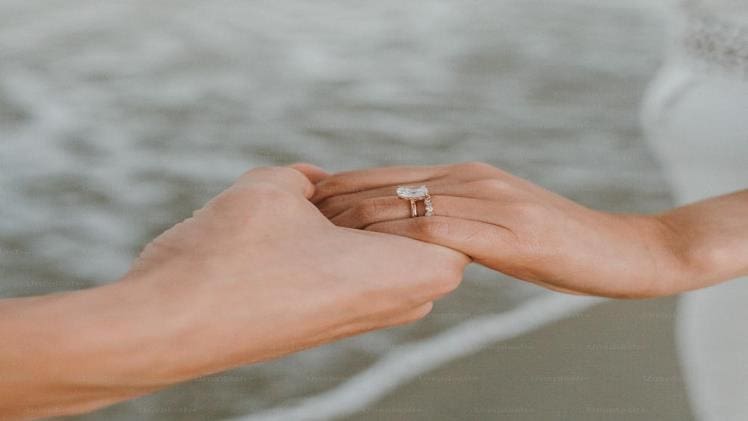
Weddings are beautiful celebrations of love and commitment, and one of the most enduring symbols of this union is the exchange of rings. When it comes to selecting the perfect symbol for your marriage, there are two main options to consider: wedding bands and wedding rings. While these terms are often used interchangeably, they actually have distinct differences that can greatly impact your decision. In this article, we will delve into the world of wedding bands and wedding rings, uncovering the five key differences between them.
What is a Wedding Band?
A wedding band is a type of ring that is traditionally worn by both spouses to symbolize their commitment and love for each other. There are many options on the market. A popular choice in the most recent years is the black and gold men’s wedding band. Wedding bands are typically simple and understated in design, often featuring a smooth and continuous band of metal. The circular shape of the wedding band is said to represent eternity and the unbroken bond between a married couple. Wedding bands are usually made of precious metals such as gold, platinum, or silver, and they can be customized with engravings or additional embellishments.
What is a Wedding Ring?
On the other hand, a wedding ring is a broader term that encompasses various styles and designs. Unlike a wedding band, a wedding ring can be adorned with gemstones, diamonds, or intricate detailing. Wedding rings often have a more ornate and decorative appearance, allowing couples to express their personal style and individuality. While wedding rings can also be made of precious metals, they offer a wider range of material options, including titanium, tungsten, and even unconventional choices like wood or ceramic.
The Key Differences Between Wedding Bands and Wedding Rings
Now that we have a basic understanding of wedding bands and wedding rings, let’s explore the key differences between the two.
1. Material and design options for wedding bands and wedding rings
One of the primary distinctions between wedding bands and wedding rings lies in the range of material and design options available. While wedding bands are typically made of precious metals like gold, platinum, or silver, wedding rings offer a wider selection. From traditional metals to alternative materials like titanium and tungsten, the possibilities are endless when it comes to choosing a wedding ring. Additionally, wedding rings can incorporate gemstones, diamonds, and intricate detailing, allowing for a more personalized and unique design.
2. Symbolism and cultural significance of wedding bands and wedding rings
Wedding bands and wedding rings also differ in their symbolism and cultural significance. Wedding bands, with their simple and continuous design, represent the unbroken bond between spouses. The circular shape of the wedding band symbolizes eternity, serving as a reminder of the everlasting commitment shared by the couple. On the other hand, wedding rings can hold additional meanings depending on the design and gemstones used. For example, a ring with a diamond may symbolize strength and everlasting love, while a ring with a birthstone could represent a special connection to a specific month or event.
3. Factors to consider when choosing between a wedding band and a wedding ring
When deciding between a wedding band and a wedding ring, there are several factors to consider. Personal style and preference play a crucial role, as some individuals may prefer the simplicity and understated elegance of a wedding band, while others may gravitate towards the glamour and intricacy of a wedding ring. Lifestyle and daily activities should also be taken into account, as certain materials may be more durable and suitable for everyday wear. Budget is another important consideration, as wedding bands tend to be more affordable compared to wedding rings with gemstones or intricate designs.
4. Popular styles and trends in wedding bands and wedding rings
Wedding bands and wedding rings are not immune to trends and popular styles. In recent years, couples have been leaning towards more unique and unconventional designs. For wedding bands, the rise of alternative metals like tungsten and titanium has been notable, offering a contemporary and durable option. In the realm of wedding rings, vintage-inspired and nature-inspired designs have gained popularity, with intricate detailing and nature motifs becoming sought-after choices. Ultimately, the style and trend you choose should reflect your personal taste and resonate with your relationship.
5. Pros and cons of wearing a wedding band or a wedding ring
Finally, let’s examine the pros and cons of wearing a wedding band versus a wedding ring. Wedding bands are known for their simplicity and timeless appeal. They are typically more comfortable to wear on a daily basis, as they have a smooth and continuous design. Wedding bands are also more affordable, making them an attractive option for couples on a budget. On the other hand, wedding rings offer a wider range of customization and personalization options. With gemstones and intricate detailing, wedding rings can be a stunning statement piece. However, wedding rings can be more expensive and require more care and maintenance due to their intricate designs and additional embellishments.
Conclusion: Choosing the Perfect Symbol of Love For Your Marriage
In conclusion, the decision between a wedding band and a wedding ring ultimately comes down to personal preference, style, and budget. Wedding bands offer a classic and timeless choice, representing the unbreakable bond between spouses. Wedding rings, on the other hand, provide a more customizable and expressive option, allowing couples to showcase their individuality. Whether you opt for a simple band or a dazzling ring, the most important aspect is that it symbolizes the love and commitment shared between you and your partner. So, take the time to explore the various options, consider the key differences, and choose the perfect symbol of love for your marriage.