

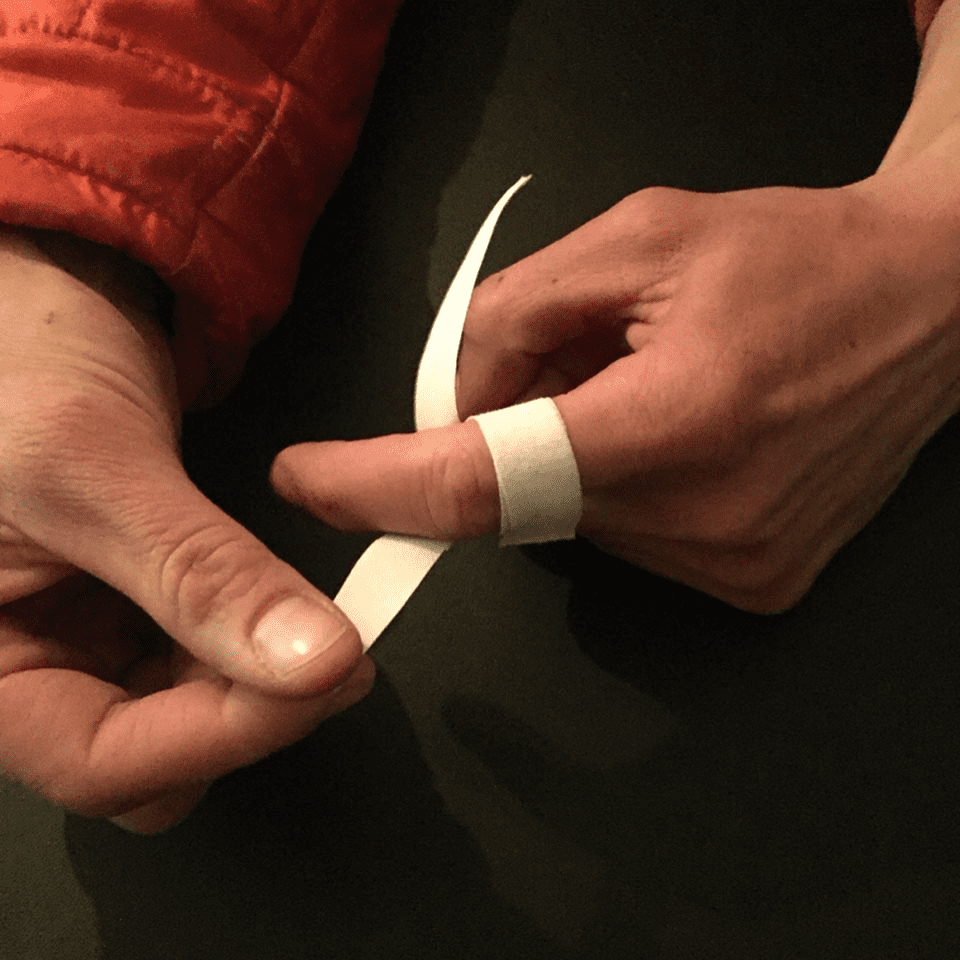
Having healthy and functional fingers is essential for our daily activities. If you ever experienced an injured finger, you must know how painful it can be. Whether it is a minor cut, sprain, or even fracture, it impacts our ability to perform simple tasks.
In this blog, we will explore the importance of finger health, common finger injuries and provide tips on effectively treating an injured finger quickly.
Understanding Finger Injuries
There are various types of finger injuries, each with its causes and consequences. It is crucial to understand these injuries to identify and address them appropriately.
Sprains and Strains
Sprains and strains are common finger injuries caused by excessive stretching or tearing of ligaments. They can occur from sudden impacts, falls, or overextension during physical activities.
Fractures and Dislocations
Fractures and dislocations involve the breaking or misalignment of bones in the finger. These injuries are often the result of intense trauma, such as a direct blow or crushing force.
Tendon and Ligament Injuries
Tendon and ligament injuries refer to damage to the connective tissues that support finger movement. Overuse, repetitive motions, or sudden force can lead to these injuries.
Recognizing the signs & symptoms is essential to identify an injured finger. These may include pain, swelling, bruising, stiffness, limited mobility, or an abnormal appearance of the finger.
Immediate Actions for Finger Injury
When faced with a finger injury, immediate actions can help alleviate pain & prevent further damage.
First Aid for Immediate Relief
- Start by cleaning the injured finger with mild soap and warm water.
- Gently pat the finger dry with a clean towel.
- Apply a sterile bandage or dressing to any open wounds to avoid infection.
Elevating the Finger
- Elevate the injured finger above the heart level to reduce swelling.
- Prop it up with pillows or cushions for support.
Applying Ice Packs
- Place an ice pack on the affected area.
- Leave it on for 15-20 minutes every 2-3 hours to reduce pain and inflammation.
Resting and Immobilizing the Finger
- Avoid using the injured finger for activities that cause pain or discomfort.
- Immobilize the finger by gently splinting it with a finger splint or by taping it to a neighboring finger.
Benefits of Finger Taping
Finger taping plays a crucial role in recovery by providing support and stability to injured fingers, preventing further damage to ligaments and tendons.
- Stabilizing Injured Fingers: Finger taping helps align and support the injured finger, reducing excessive movements and providing stability during healing.
- Preventing Further Damage: By restricting the range of motion, finger taping helps avoid any additional strain or stress on the injured finger, allowing it to heal correctly.
Choosing the Right Finger Tape
Various types of finger tape are available, each with its unique characteristics. Understanding these options will help you select suitable tape for your needs.
Athletic/Sports Tape
- Athletic or sports tape is commonly used for finger taping. It provides excellent support and stability, making it suitable for most finger injuries.
Kinesiology Tape
- Kinesiology or elastic therapeutic tape is designed to imitate skin elasticity. It supports injured fingers while allowing a natural range of motion.
Zinc Oxide Tape
- Zinc oxide tape is a rigid adhesive tape that provides strong support and stability. It is commonly used for immobilizing fingers or providing extra reinforcement during activities.
Cohesive Bandages
- Cohesive bandages are self-adhesive and do not require any additional tape or clips to secure them. They are flexible, allowing for comfortable movement while providing support.
When selecting the suitable finger tape, consider factors such as the level of support needed, the type of injury, personal preference, and any allergies or sensitivities.
Proper Finger Taping Techniques
To ensure the effectiveness of finger taping, it is essential to follow proper techniques. Here are some step-by-step instructions:
General Guidelines for Taping Fingers
- Ensure the finger is clean and dry before taping.
- Avoid taping too tightly, which can restrict blood flow and cause discomfort.
- Pay attention to the direction of the tape to provide optimal support.
Step-by-Step Instructions for Taping
- Preparing the Finger and Tape
- Clean the injured finger thoroughly.
- Cut a piece of tape long enough to cover the injured area and provide support.
- Applying an Anchor Point
- Start by securing the tape near the base of the finger.
- Wrap it around the finger once or twice, ensuring it is tight.
- Creating Support and Stability
- From the anchor point, continue wrapping the tape diagonally toward the tip of the finger.
- Wrap the tape around the finger, overlapping the previous layer by half.
- Repeat this process until the entire injured area is covered.
- Securing the Tape
- Once the taping is completed, secure the end of the tape with an additional wrap around the finger.
- Press gently to ensure the tape sticks firmly without causing discomfort.
Recovering from a Finger Injury
The recovery process for finger injuries varies depending on the type of injury. Here is a general recovery timeline and some exercises that can help in the healing process:
- The recovery time will depend on the type of injury. Mild finger sprains or strains may take a few weeks to heal, while more severe injuries may take several months.
- Under the supervision of a healthcare professional, engaging in specific exercises can help restore finger strength, flexibility, and mobility post-injury.
Treating an injured finger quickly is crucial for maintaining finger health and functionality. Finger taping provides essential support and stability during recovery, preventing further damage to ligaments. Choosing suitable tape and following proper taping techniques help individuals recover faster.